
Worker accommodation camp
Understanding what defines a worker accommodation camp is essential for industries that rely on temporary or semi-permanent workforce housing. Worker accommodation camps are specialized facilities designed to house employees close to project sites, particularly in sectors such as construction, mining, oil and gas, and large infrastructure development. These camps serve as more than just a place to sleep—they are structured environments that provide safety, comfort, and essential services, allowing workers to focus on their tasks without worrying about basic living needs.
A worker accommodation camp is typically defined by its ability to provide organized living spaces for a large number of employees in one location. Unlike standard residential housing, these camps are purpose-built to cater to the unique needs of a workforce operating in remote or temporary locations. They often include dormitory-style rooms, shared facilities, and communal areas that facilitate interaction among workers. The design and layout of the camp are critical, as they must ensure safety, accessibility, and efficient use of space while complying with local building and labor regulations.
One key feature that defines a worker accommodation camp is its provision of essential amenities. Basic facilities usually include sleeping quarters, dining areas, sanitary facilities, and access to clean water. More advanced camps may offer healthcare units, recreational areas, gyms, and even educational spaces to support workers’ overall well-being. These amenities are designed to improve living standards, reduce fatigue, and enhance productivity. The inclusion of recreational and social spaces also plays a role in maintaining morale, which is particularly important in remote or isolated locations.
Worker accommodation camps are also characterized by their emphasis on safety and compliance. Construction, mining, and oilfield projects carry inherent risks, making it essential that camps provide secure environments for employees. This includes fire safety measures, emergency evacuation plans, medical facilities, and security personnel. Additionally, camps must comply with labor laws and occupational health standards in the respective region, ensuring that workers are treated fairly and live in conditions that meet regulatory requirements. The ability of a camp to maintain safety and compliance is a fundamental aspect of what defines it.
Infrastructure within a worker accommodation camp is another defining factor. Unlike conventional housing, these camps require robust utility systems capable of supporting large numbers of residents. Electricity, water, sewage management, internet access, and waste disposal are all crucial components. Camps are often built in remote locations where such infrastructure may not already exist, so designers and project managers must plan for self-sufficiency and sustainability. Well-planned infrastructure ensures uninterrupted daily operations and minimizes logistical challenges, making the camp functional and efficient.
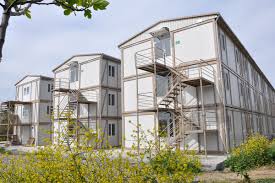
What defines a worker accommodation camp?
The flexibility and scalability of a worker accommodation camp also contribute to its definition. Many projects experience fluctuations in workforce size, requiring camps to adapt accordingly. Modular construction and prefabricated units allow for the addition of new accommodation or the reorganization of existing spaces. This adaptability is a defining feature, as it allows the camp to meet changing demands without compromising safety or comfort. Phased expansion, along with strategic planning, ensures that the camp can evolve alongside the project it supports.
Another important element that defines a worker accommodation camp is its focus on community and social cohesion. Large numbers of employees living in one location necessitate shared facilities and organized schedules. Dining halls, common rooms, and recreational areas encourage interaction and cooperation, reducing isolation and promoting teamwork. Camp management often implements rules and policies to maintain order, cleanliness, and mutual respect among residents. This social structure is a key component, as it directly impacts worker satisfaction and productivity.
Worker accommodation camps also reflect environmental and sustainability considerations. Modern camps are increasingly designed to minimize their ecological footprint through energy-efficient systems, water conservation, and waste recycling. Camps located in sensitive environments must balance operational needs with environmental responsibility. Integrating sustainable practices not only helps preserve local ecosystems but also enhances the camp’s reputation and long-term operational viability.
Ultimately, what defines a worker accommodation camp goes beyond physical structures; it encompasses functionality, safety, comfort, and community. A well-designed camp ensures that workers have secure housing, access to essential services, and the ability to rest and recover between work shifts. It supports both the operational needs of a project and the personal well-being of the workforce. By providing a structured, safe, and adaptable environment, worker accommodation camps become a vital component in the success of large-scale projects, particularly those located in remote or challenging areas.
In conclusion, a worker accommodation camp is defined by its comprehensive approach to housing employees in a way that balances safety, comfort, functionality, and social interaction. It is a purpose-built facility that integrates essential amenities, robust infrastructure, regulatory compliance, and community-focused design. These camps are adaptable to changing workforce requirements and are increasingly developed with sustainability in mind. Understanding these defining characteristics helps employers, project managers, and workers appreciate the critical role that worker accommodation camps play in ensuring the efficiency, safety, and well-being of employees in demanding work environments.
